Why Regular Nail Trimming is Crucial for Your Dog’s Health
Trimming your dog’s nails isn’t just about keeping them looking good—it’s essential for their health and comfort. Overgrown nails can cause a range of problems from awkward walking posture to painful sores. Regular trimming helps prevent these issues and keeps your dog walking and running comfortably.
Affiliate Disclosure: As an Amazon Associate, I earn from qualifying purchases. If you buy through one of the links in this guide, I may receive a small commission at no additional cost to you.
How to Tell When Your Dog’s Nails Need Trimming
You do not need a calendar to know it is time. Listen to your dog walk across a hard floor. If you hear clicking, the nails are too long. Look at the paw from the side. The nails should not touch the ground when your dog stands normally. Long nails change how the paw sits, which throws off the wrist and can cause soreness up the leg over time. Dogs that walk mostly on grass or dirt will need trims more often than dogs that walk on pavement, because hard surfaces wear the nails down naturally. As a rule, check every two to three weeks and trim when you hear that click.
What You’ll Need: The Right Tools for Nail Trimming
Before you begin, make sure you have the right tools. A pair of sharp dog nail clippers and a nail file are essential. Choose from scissor-style clippers for thick nails or guillotine-style for more precision. Having styptic powder on hand is also a good idea in case you cut too close to the quick. A quiet pet nail grinder is another option if your dog hates clippers.
Step-by-Step Guide to Trimming Your Dog’s Nails
- Preparation: Ensure your dog is calm. Comfort them with petting and treats.
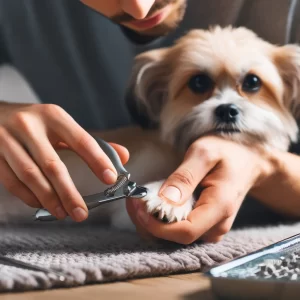
- Positioning: Hold your dog’s paw gently but firmly. Start with the back paws as they are less sensitive.
- Cutting Technique: Trim just a small bit at the end of each nail, avoiding the quick. If your dog has clear nails, you can see the pink quick through the nail. For darker nails, make smaller cuts and look at the cross-section for a small dark circle, which indicates you’re nearing the quick.
- Smoothing: After trimming, use a nail file to smooth down any rough edges. This prevents snagging and provides comfort.
Pro Tips for Stress-Free Nail Trimming
- Desensitization: Get your dog used to having their paws handled from an early age. Regularly touch their paws and reward them to build positive associations.
- Short Sessions: If your dog gets anxious, keep the trimming sessions short and sweet. You can trim one paw a day if needed.
- Rewards: Always end each session with lots of praise and a treat to reinforce a positive experience.
Common Mistakes to Avoid When Trimming Dog’s Nails
Avoid cutting into the quick, which can cause pain and bleeding. If you accidentally cut the quick, apply styptic powder immediately to stop the bleeding. Another common mistake is using dull clippers, which can crush the nail and cause discomfort.
What to Do If Your Dog Will Not Cooperate
Some dogs panic no matter how gentle you are, and forcing it makes the next session worse. Start by handling the paws during calm moments with no clippers in sight. Touch a paw, give a treat, and stop. Do this for a few days until your dog looks bored instead of tense. Then introduce the clippers the same way: let the dog sniff them, treat, put them away. When you finally trim, do one nail and quit while you are ahead. One nail a day gets all four paws done in under three weeks with zero drama. If your dog snaps or shows real distress, stop and ask your vet or a groomer to demonstrate their handling technique. There is no shame in getting help, and watching a professional once can change how you approach it.
Maintaining Your Dog’s Nail Health Long-Term
Regular checks and trims are vital. Check your dog’s nails every two to three weeks, and trim them when you hear clicking on hard floors. Watch for signs of discomfort or difficulty walking, which can indicate it’s time for a trim. Regular maintenance not only keeps your dog comfortable but also prevents the quick from growing too long, which can make future trims more difficult.


Pingback: How to Trim Your Cat’s Nails Safely: A Stress-Free Guide - Pet Supplies Where
Pingback: Best Orthopedic Dog Beds for Older Dogs: A Comfortable Buying Guide - Pet Supplies Where
Pingback: Essential Dog Supplies: Complete Owner’s Checklist
Pingback: Best Holiday Gifts for Dogs and Cats in 2026
Pingback: Dog Dental Care at Home: Brushing, Chews, and What Actually Works - Pet Supplies Where